

News Focus
Pradeep Ramteke
Editor-in-Chief
If officials within the Chimur Taluka of Chandrapur District are completely turning a blind eye to illegal prostitution, the illicit excavation of gravel and sand, illegal betting rackets, and the unauthorized sale of country liquor—then the question arises: “Are these concerned officials actually accomplices of the mafia?” This issue brings the moral sensitivity of the situation to the forefront with intense urgency.
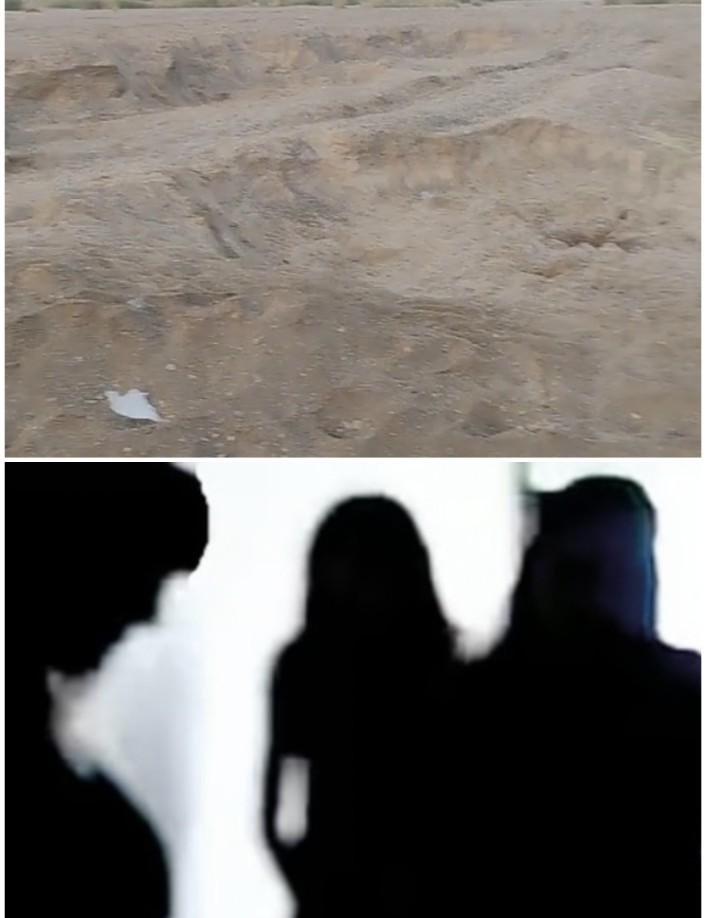
Turning a blind eye to those running prostitution rackets in Chimur city; allowing large-scale illegal excavation of gravel and sand to continue unchecked throughout the Taluka; permitting betting operations to run brazenly; and standing by idly—watching with open eyes—as country liquor is sold illegally in both Chimur city and its rural areas: into which category of official duty do these actions by the officers and personnel of the Revenue and Police Departments actually fall? This reality is soon to be laid bare.
However, who exactly is this mafia figure—this individual who holds the Revenue and Police officials in his thrall—thereby ensuring that all manner of illegal trades continue to run smoothly across Chimur Taluka? This is a grave question…
Nevertheless—regardless of who this mafia figure sustaining illegal trades within Chimur Taluka might be, and regardless of whatever position he may hold—he is certainly not above the law, nor is he a dictator before the citizenry. This is a fact that those cowardly, behind-the-scenes mafia figures must take to heart. The objective of this mafia is crystal clear. That objective is to ruin the people of Chimur Taluka by ensnaring them in illicit activities; to openly plunder the sand and murrum mineral wealth of the region; to tarnish the reputation of Chimur Taluka by perpetuating prostitution; to widen social rifts by fostering discrimination within the community; and, by any means necessary, to drag the men, women, youth, and students of Chimur Taluka into their web of illicit trades and exploit them continuously.
Although this mafia has managed to ensnare public officials in its web, one thing remains certain: this mafia cannot hold the law or the public hostage.
Thieves may steal repeatedly, but eventually, they find themselves trapped within the framework of the law. Similarly, those involved in illicit trades invariably seek the patronage of officials and elected representatives to sustain their operations on a large scale. It cannot be denied that clandestine financial transactions take place through covert channels.
It is precisely because of these covert alliances that a bizarre scenario has emerged in Chimur Taluka: the relevant officials and elected representatives appear unwilling or unable to shoulder the responsibility of taking legal action against those engaged in illicit trades.
Given that the solemn oaths of public service and duty are being trampled underfoot in Chimur Taluka, one is left to ponder: have the concerned officials become unbridled and arrogant due to a complete breakdown of discipline? This reality is truly unpalatable.
Consequently, those involved in illicit trades have become emboldened and defiant. While bringing them to justice may appear difficult, it is by no means impossible. It remains an undeniable truth that when the law is effectively enforced—when it gathers momentum—these defiant illicit operators are swiftly neutralized; they are either brought to heel or forced to go underground.