
Pradeep Ramteke
Editor-in-Chief
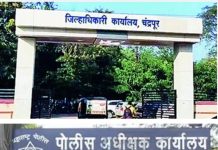
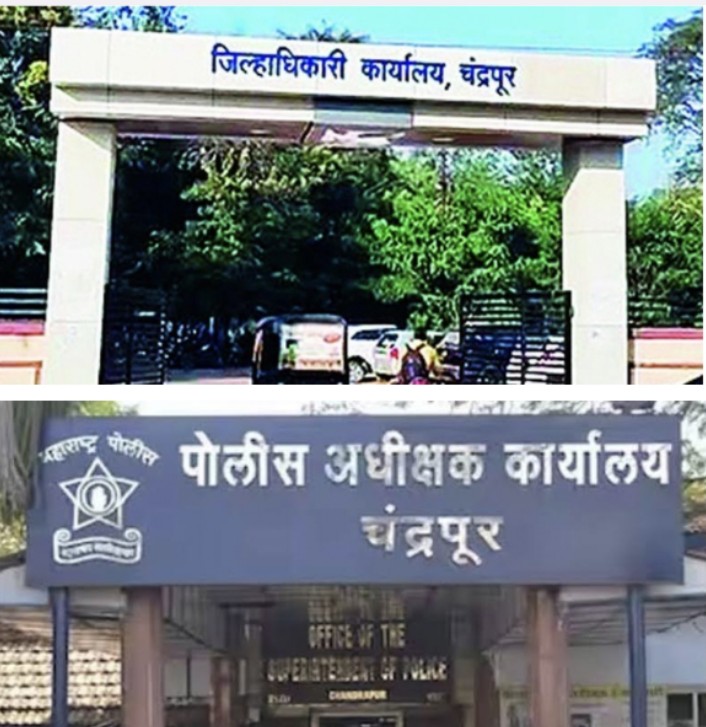
In Chimur Taluka—located within Chandrapur District in the state of Maharashtra—various types of illegal rackets are operating on a large scale, leading to a significant rise in organized crime. To expose organized crime, a written complaint will soon be submitted to the District Collector of Chandrapur and the Superintendent of Police, Chandrapur District, requesting that action be initiated under MCOCA against individuals involved in illegal trades within the Chimur Taluka.
Copies of this written complaint will be forwarded to the Chief Minister of Maharashtra, Shri Devendra Fadnavis, and the Revenue Minister, Hon. Chandrashekhar Bawankule.
Furthermore, comprehensive details regarding how organized crime operates in Chimur Taluka—and the manner in which protection is being extended to those involved in illegal trades—will be brought to the attention of the Hon. Chief Justice of the Nagpur Bench of the Bombay High Court.
MCOCA (Maharashtra Control of Organised Crime Act) stands for the ‘Maharashtra Control of Organized Crime Act, 1999.’ This is an extremely stringent law enacted by the Government of Maharashtra to dismantle organized crime and to address serious offenses committed by criminal gangs, such as extortion and contract killings.
In accordance with this legislation, it is imperative that action be taken against individuals engaged in illegal trades within Chimur Taluka. The primary objective of this Act is to maintain a firm check on organized crime, terrorist activities, and criminal gangs.
If MCOCA is invoked, the punishment can range from a minimum of five years of imprisonment up to life imprisonment. In cases involving crimes of extreme severity, the death penalty may also be imposed. Under this Act, an accused individual who has been arrested cannot easily obtain bail, nor is anticipatory bail granted.
Special Provisions…
The duration of police custody is extended under this Act, and a confession made before a senior police officer may be admissible as evidence in a court of law.
Property Forfeiture…
The Act includes a specific provision for the confiscation of assets and property acquired through criminal activities.
What is MCOCA in Maharashtra?
Known as ‘MCOCA,’ this legislation grants the State Government special powers to address such issues, including enhanced surveillance authority and relaxed evidentiary standards. This includes criteria and procedural safeguards, as well as the prescription of additional criminal penalties, including the death penalty.
What is a MCOCA case?
The Maharashtra Control of Organized Crime Act—popularly known as MCOCA—was enacted in 1999 to curb organized crime. This legislation was introduced along the lines of the earlier TADA Act. MCOCA is invoked against offenses such as protection racket collection, extortion, kidnapping, murder, and organized criminal activities.