
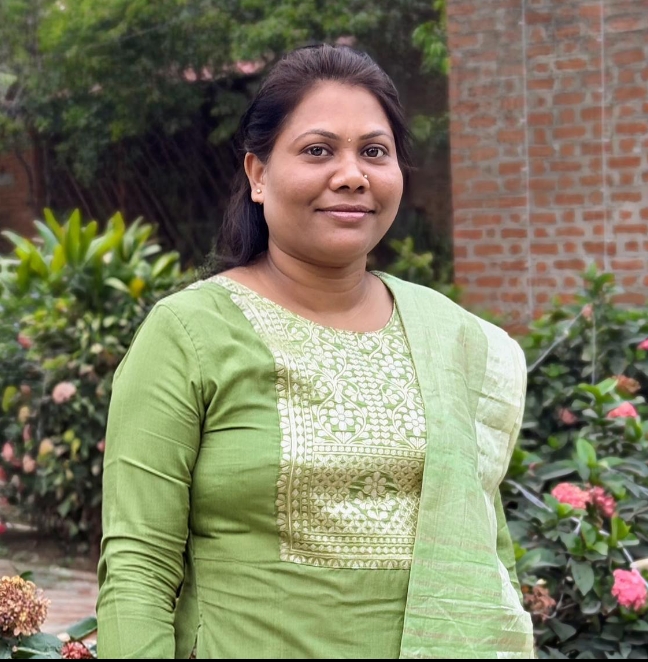

Diksha Karhade
Former Sarpanch
At.Po. Neri, Ta.Chimur, Di.Chandrapur..
The Finance Accounts Gram Sabha is extremely important for maintaining transparency in the financial transactions of the village and for curbing corruption.
This meeting gives every citizen of the village the right to ask for the income-expenditure and the account of funds for development works of the Gram Panchayat, which strengthens grassroots democracy.
Village fund means all the funds received by the Gram Panchayat from all schemes. Giving an account of the works done under all such received funds to the villagers in the Finance Gram Sabha falls under the duty of transparency, and giving an account of all expenses and balance amount to the villagers is the responsibility of the Sarpanch and Gram Sevaks.
Information about where and how the government funds received by the Gram Panchayat were spent must be given to the villagers. This ensures transparency in administration.
Since the accounts are disclosed before everyone, the possibility of misuse of funds or fraud becomes negligible. Villagers can verify the expense receipts and works.
Villagers can directly participate in the financial planning (budget) of the village. Citizens can decide in the Gram Sabha what works are exactly needed for the village.
An evaluation of the expenses incurred in the previous year and the planned works is done in this meeting. The Gram Sabha has the right to suggest corrections if there are any deficiencies.
Information about revenue collection such as property tax, water tax etc. in the village and its use for village development is given in the Gram Sabha. It is legally mandatory to present the annual report and income-expenditure of the previous year in the first Gram Sabha held at the beginning of the financial year of the Gram Panchayat (April-May).
The reading and approval of the finance accounts in the Gram Sabha is extremely important for maintaining transparency and establishing direct public control over the development of the village. This process ensures that the village’s money is spent only for the right work and helps in preventing corruption.
A detailed balance sheet of where and how the government funds received by the Gram Panchayat and the tax collected from villagers (e.g. house tax, water tax) were spent is presented in the Gram Sabha. Similarly, since the accounts are disclosed before the public, embezzlement in expenses and fake resolutions are put to a stop.
Villagers have direct participation in the financial planning of the village. The Gram Sabha decides which fund is to be used for which development work.
Audit Approval…..
It is mandatory to read the income-expenditure of the previous year and the audit report and obtain the approval of the Gram Sabha. According to the Maharashtra Gram Panchayat Act, 1958, at least four mandatory Gram Sabhas are held in a year. In this, it is legally mandatory to present the accounts of the previous year and the accounts of the budget (Budget) for the next year in the first Gram Sabha of the financial year (especially on 26 January or 1 May).
According to the 73rd Constitutional Amendment of the Indian Constitution, the Gram Sabha is the primary and most powerful assembly of the Panchayati Raj system.
All adult citizens who have completed 18 years of age and whose names are on the voter list, residing within the jurisdiction of the Gram Panchayat, are members of the Gram Sabha.
The main features of the Gram Sabha are as follows….
1) In the Gram Sabha, not through representatives, but all voters of the village themselves attend and discuss and take decisions. Therefore, this is considered ‘Direct Democracy’.
2) The Gram Sabha has the right to take the final decision regarding the development of the village. Any decision taken by the Gram Panchayat can be changed or rejected in the Gram Sabha.
3) Every registered citizen above 18 years of age in the village automatically becomes a member of the Gram Sabha. No election is held for this meeting.
4) The income-expenditure of the village, the benefit of government schemes and the budget of development works is presented before everyone in the Gram Sabha, which ensures transparency in administration.
5) Resolutions passed by majority or decisions taken in the Gram Sabha are binding on the Gram Panchayat.
6) According to the law, it is mandatory to hold meetings of the Gram Sabha at least 4 times a year, on 26 January, 1 May, 15 August, and 2 October.
7) Selecting beneficiaries in the village (e.g. Gharkul scheme, pension), preparing the development plan of the village, deciding tax assessment and taking decisions on water planning are the main works of the Gram Sabha.